For much of Gilmore Girls, Lorelai’s identity as a mother depends on one important distinction.
She is not Emily.
Emily has expectations.
Lorelai offers choices.
Emily creates rules.
Lorelai creates conversation.
Emily believes she knows the correct future for her daughter.
Lorelai wants Rory to build one herself.
That difference is foundational to Lorelai’s sense of who she is.
Then Rory says she is leaving Yale.
And suddenly the philosophy becomes much harder to live.
Lorelai understands exactly what control feels like
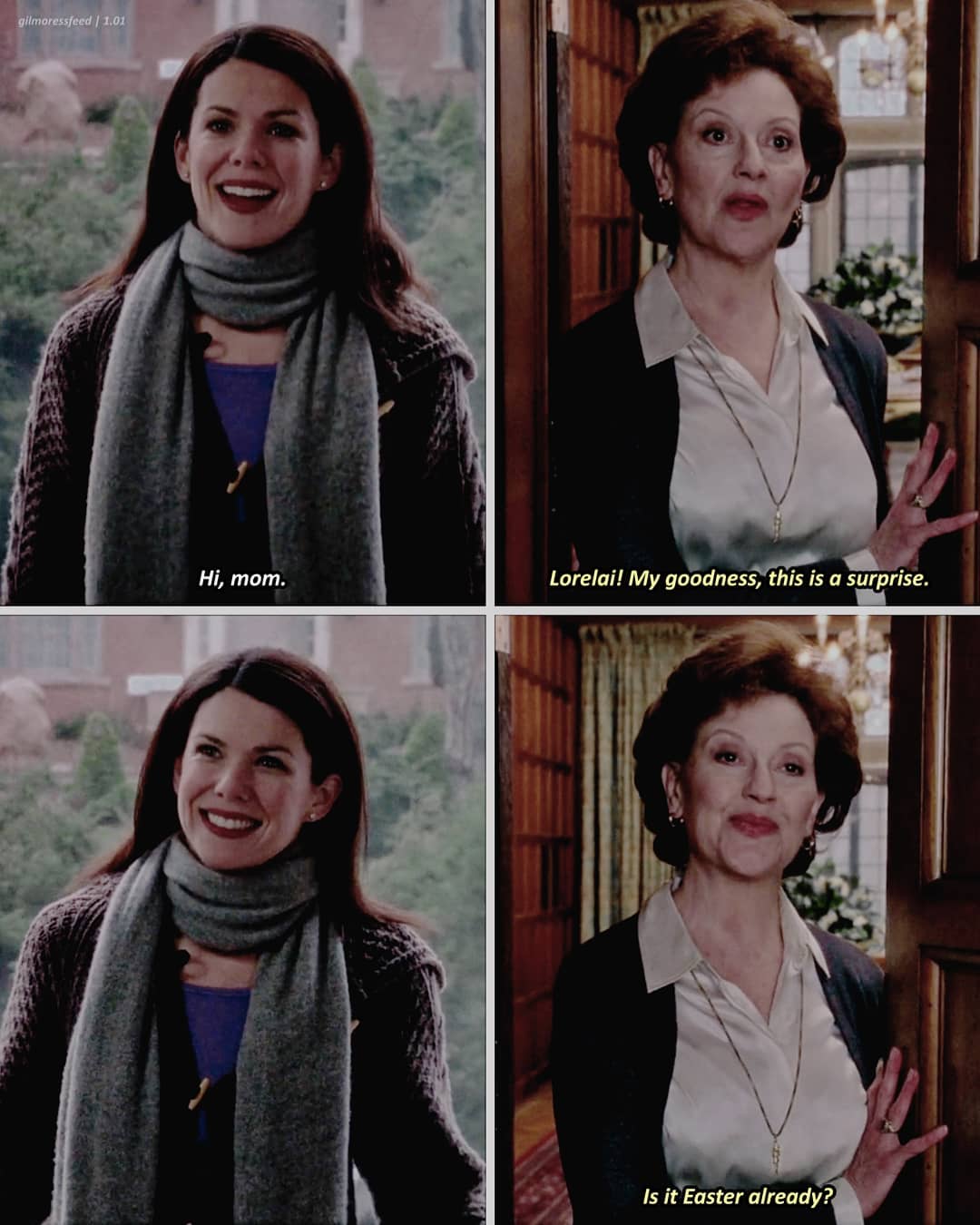
A simple visit between Lorelai and Emily almost always carries history.
Even Lorelai appearing unexpectedly at her mother’s door feels unusual enough for Emily to comment on it.
That small detail tells us how much structure exists between them.
Their relationship has boundaries shaped by years of disappointment.
Lorelai grew up feeling that Emily had a version of her life already planned.
How to behave.
Who to become.
What kind of future counted as success.
Lorelai’s rebellion is not only about leaving home.
It becomes a lifelong commitment to doing motherhood differently.
Rory initially receives the freedom Lorelai wished she had
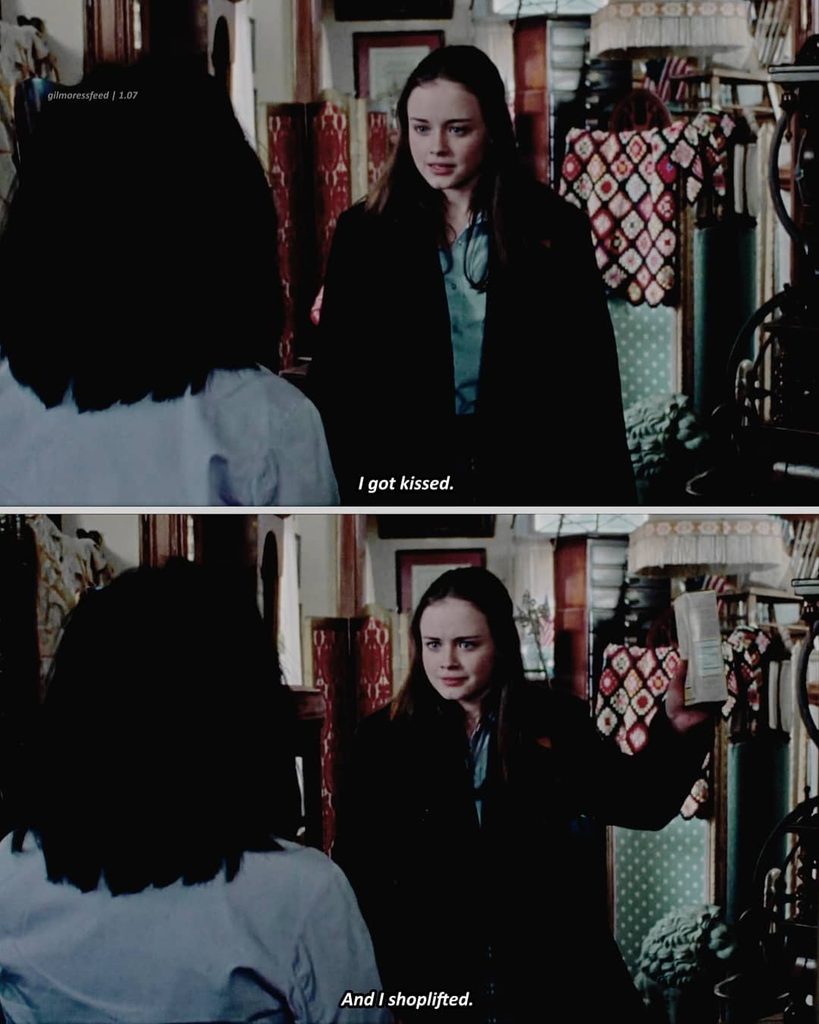
Young Rory can walk into a room and tell Lorelai that she has been kissed and shoplifted.
It is funny.
More importantly, she tells her.
That is the relationship Lorelai has deliberately created.
Rory is expected to talk.
Embarrassment does not automatically mean punishment.
Mistakes can become conversations.
For Lorelai, this openness is proof that motherhood does not need to look like what she experienced with Emily.
And for a long time, it works remarkably well.
Then Rory makes a decision Lorelai cannot laugh away

“I’m not going back to school.”
The line changes everything.
This is not a teenage confession Lorelai can absorb through humor.
It threatens one of the biggest dreams surrounding Rory.
Education has always been central to Rory’s identity.
Chilton.
College.
Journalism.
The future Lorelai has sacrificed to make possible.
And suddenly Rory does not want to follow the plan.
That is when Lorelai faces the exact problem she has criticized Emily for years:
What happens when your daughter’s freedom leads somewhere you believe is wrong?
Parenting is easy to make democratic when you agree with the decision
This is the uncomfortable truth underneath Rory’s Yale storyline.
Lorelai believes Rory should choose her own future.
But Lorelai also strongly believes Rory should return to school.
Both thoughts can exist at once.
The conflict comes from trying to act on them.
If Lorelai steps back entirely, she feels as though she is allowing Rory to derail herself.
If she pushes too hard, she risks recreating the pressure she spent her life rejecting.
There is no emotionally clean answer.
That is what makes the conflict so powerful.
Lorelai finally experiences some of Emily’s fear
Emily’s parenting mistakes do not suddenly become correct.
But Lorelai now understands one of the emotional forces beneath them.
Fear.
Parents can become controlling when they are terrified that someone they love is making a life-altering mistake.
Emily has often responded to fear by tightening her grip.
Lorelai responds differently—but the impulse to intervene is now familiar.
That is one of the series’ best generational parallels.
Lorelai may not become Emily.
But she finally experiences the problem from Emily’s side.
Lane shows the parenting style Lorelai prefers

Lane thanking Lorelai for letting her stay highlights a very different form of care.
Lorelai creates room.
She does not need Lane to become Rory.
She does not need control.
She offers safety.
That is Lorelai at her best.
Her home becomes a place where young people can arrive uncertain and figure things out.
The contrast makes the Yale conflict even more interesting.
Lorelai is extraordinarily good at helping someone when she can accept that the life belongs to them.
It is much harder when the person is Rory.
Because Rory’s future is connected to Lorelai’s deepest hopes, fears and sacrifices.
The closer the relationship, the harder it is to let go
Lorelai and Rory’s friendship makes them unusually close.
That closeness is beautiful.
It also raises the stakes.
Lorelai is not merely watching a daughter change direction.
She is watching her closest companion make a choice she cannot understand.
The same intimacy that once made communication easy now makes disagreement more painful.
Rory has to become separate for their relationship to mature
This is the part that is easy to miss.
Rory’s independence cannot be real if it only exists when Lorelai approves of the outcome.
Eventually Rory has to make choices Lorelai would not make.
That does not mean every choice is wise.
It means separation is part of adulthood.
And Lorelai has to learn that loving Rory does not guarantee agreement.
That may be the real generational story
Emily tried to shape Lorelai.
Lorelai tried not to shape Rory.
But nobody raises a child without hopes.
Nobody loves without preferences.
Nobody watches someone they love make a frightening decision without wanting to interfere.
The Gilmore women are not separated by who loves correctly and who loves incorrectly.
They are separated by how each woman responds when love stops giving her control over the outcome.
That makes the story much more complicated.
And much more human.
Was Lorelai right to push Rory back toward Yale, or should she have given her more room to figure it out herself?