- The Saddest Part of Rory and Jess Was Never Whether They Loved Each Other
- Why Rory and Jess Still Hurt Years Later: The Timing Was Always Wrong
There are television couples who fail because the feelings disappear.
Rory and Jess are more frustrating than that.
The feelings are often the easiest part to understand.
What makes their relationship linger is the possibility that affection was never their biggest problem. Timing was. Communication was. Growing up was.
At several points in Gilmore Girls, Rory and Jess seem emotionally connected while standing at completely different stages of their lives. One wants an explanation while the other wants escape. One is ready to speak when the other no longer knows what to do with the words.
That is what makes their story feel more painful on a rewatch.
Sometimes love is real.
And still not enough.
Jess often understands Rory before he understands himself
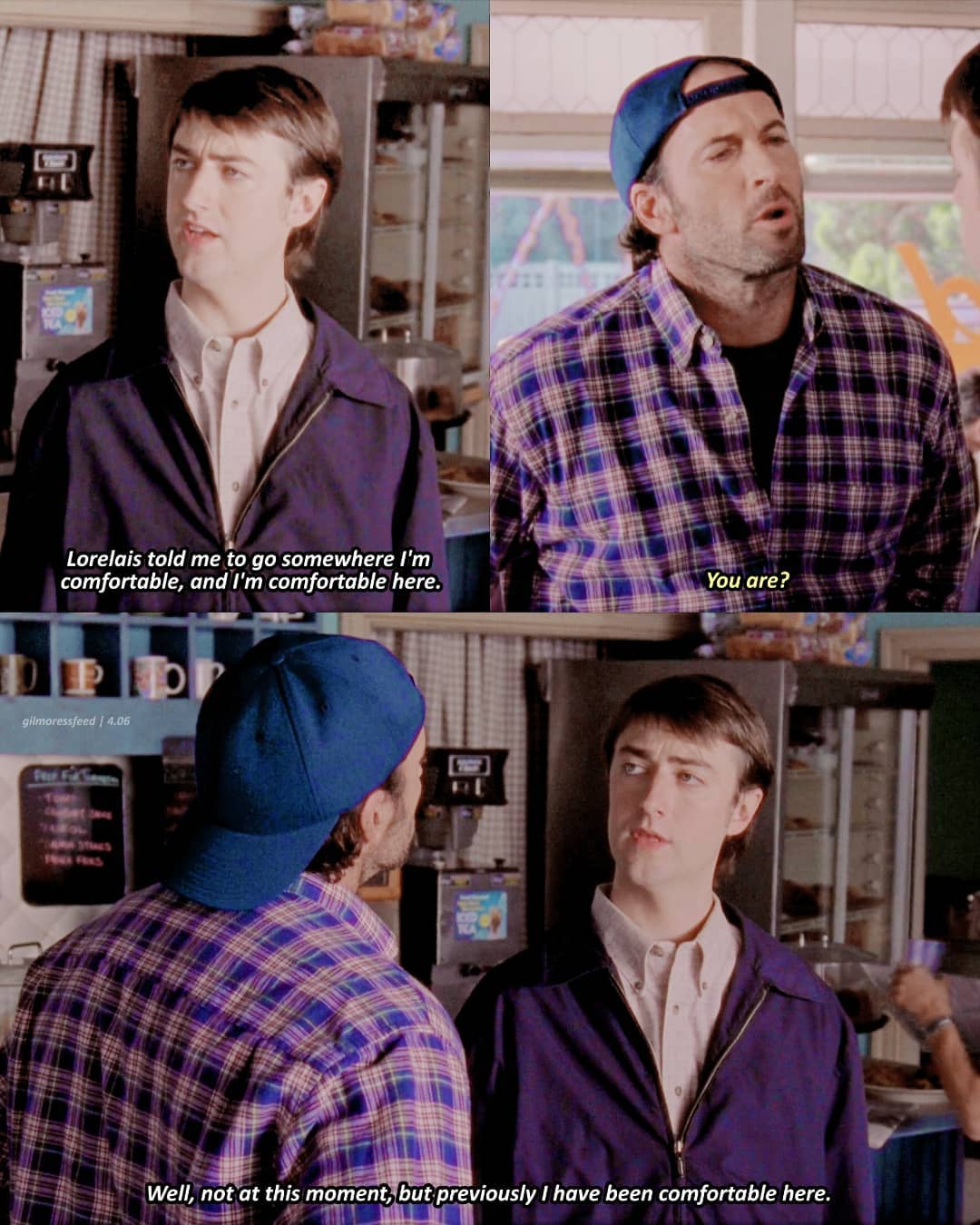
One of the reasons viewers are drawn to Jess is that he pays attention to parts of Rory that other people sometimes overlook.
Her books.
Her humor.
Her frustration with expectations.
The version of Rory that wants something more complicated than simply being the responsible girl everyone admires.
That creates chemistry.
But understanding another person intellectually is not the same thing as knowing how to build a healthy relationship with them.
Jess can recognize Rory.
He is much less skilled at explaining himself.
That imbalance defines much of their early relationship.
The “I love you” moment is powerful because it arrives too late

This is one of the sharpest examples of emotional timing in the series.
Rory wants an explanation.
Jess gives her a declaration.
“I love you” should be a beginning.
Here, it behaves more like an ending.
That is why the scene works.
The sentence itself is not necessarily the answer Rory needed.
She needed communication before the relationship collapsed.
She needed honesty when there was still something she could do with it.
Instead, the most direct sentence arrives after months of emotional confusion.
That changes its meaning.
The words may be sincere.
They are still insufficient.
Rory’s silence says as much as Jess’s confession
A younger viewer may focus almost entirely on Jess finally admitting how he feels.
On a rewatch, Rory’s reaction becomes just as important.
She does not instantly turn the moment into a romantic reunion.
Why would she?
Love does not erase how someone made you feel while they were disappearing.
This is one of the more emotionally mature ideas hidden inside the scene.
You can believe someone loves you.
You can even love them back.
And still decide that the relationship cannot simply restart from those three words.
Years later, the dynamic changes
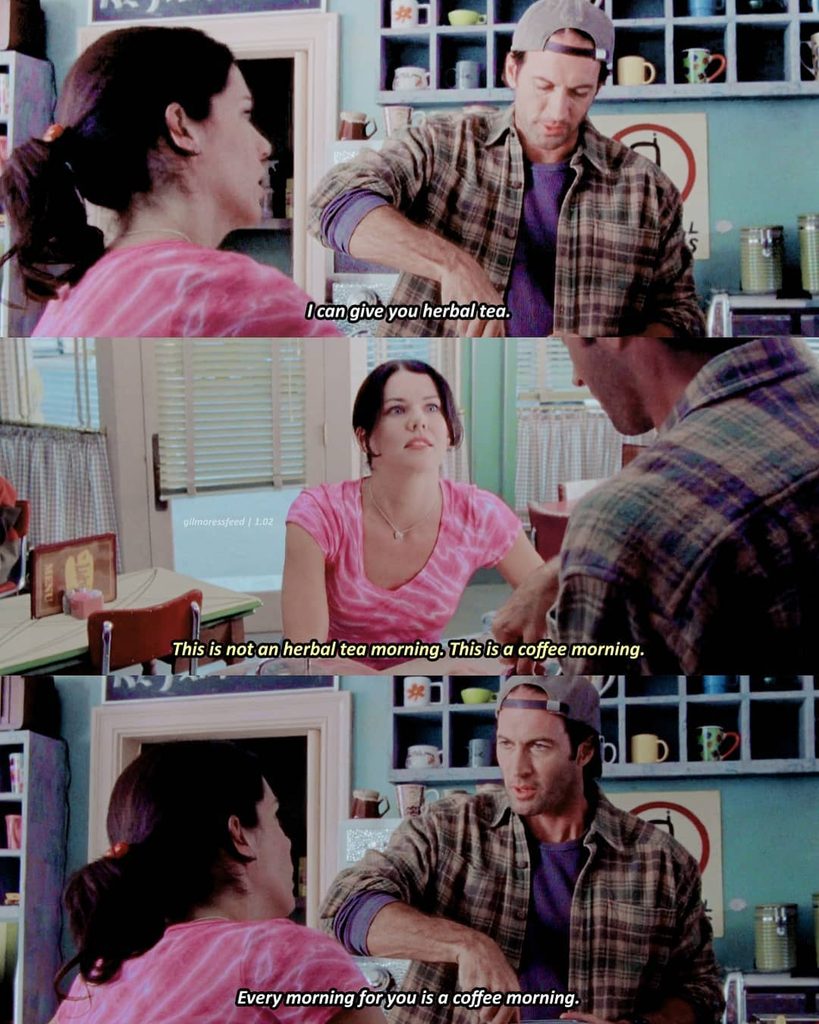
The later image creates an entirely different kind of emotional tension.
There is less teenage urgency.
Less confrontation.
Less need to perform the relationship in real time.
And that is exactly why viewers read so much into it.
Time changes people.
It also changes what an old relationship means.
Someone who once represented chaos can later become a reminder of who you were.
Someone you could not communicate with at nineteen may understand parts of you differently years later.
That does not automatically mean the couple “should” reunite.
It means history is complicated.
Sometimes the most meaningful relationships are unfinished
Television often trains us to expect romantic stories to conclude in one of two ways.
Together.
Or over.
Real relationships can occupy stranger territory.
A person may stop being your partner and remain emotionally significant.
A relationship may fail and still change your life.
Someone may become important to your identity without becoming your permanent future.
Rory and Jess fit that category unusually well.
Their relationship matters whether or not you imagine them together forever.
Jess eventually becomes more stable—but Rory also changes
This point gets lost in many fandom debates.
People often compare later Jess to earlier Rory.
But relationships do not work across frozen versions of people.
Jess grows.
Rory grows too.
The question is not merely whether Jess eventually becomes “good enough.”
It is whether the adults they become would still want the same things.
That is a harder question.
And Gilmore Girls wisely leaves enough emotional space for viewers to argue about it.
Love can become clearer after the relationship is gone
That may be the central tragedy.
Sometimes distance improves perspective.
You finally understand what someone meant.
You understand your own behavior.
You know what you should have said.
And there is no rewind button.
That is a deeply adult kind of heartbreak.
Not:
“We never loved each other.”
But:
“We did, and we still did not know how to make it work.”
That is why Rory and Jess remain compelling
The relationship resists a clean verdict.
Jess is not simply the misunderstood perfect match.
Rory is not simply the person who failed to recognize him.
They are two young people who affect each other deeply while lacking the emotional skills to make that connection sustainable.
Later maturity changes the context.
It does not erase the past.
That ambiguity is exactly why people still debate them.
Not because the answer is obvious.
Because it never was.
Do you think Rory and Jess were wrong for each other—or simply right at the wrong time?